Mold After a Roof Leak in Little Tokyo, CA
Mold after a roof leak in Little Tokyo needs coordinated roof repair and indoor cleanup. Ask who checks the water path and who restores your ceiling.
- Leak source checked first
- Ceiling and attic containment
- Clear cleanup and drying scope
What Roof Leak Mold Cleanup Covers in Los Angeles County
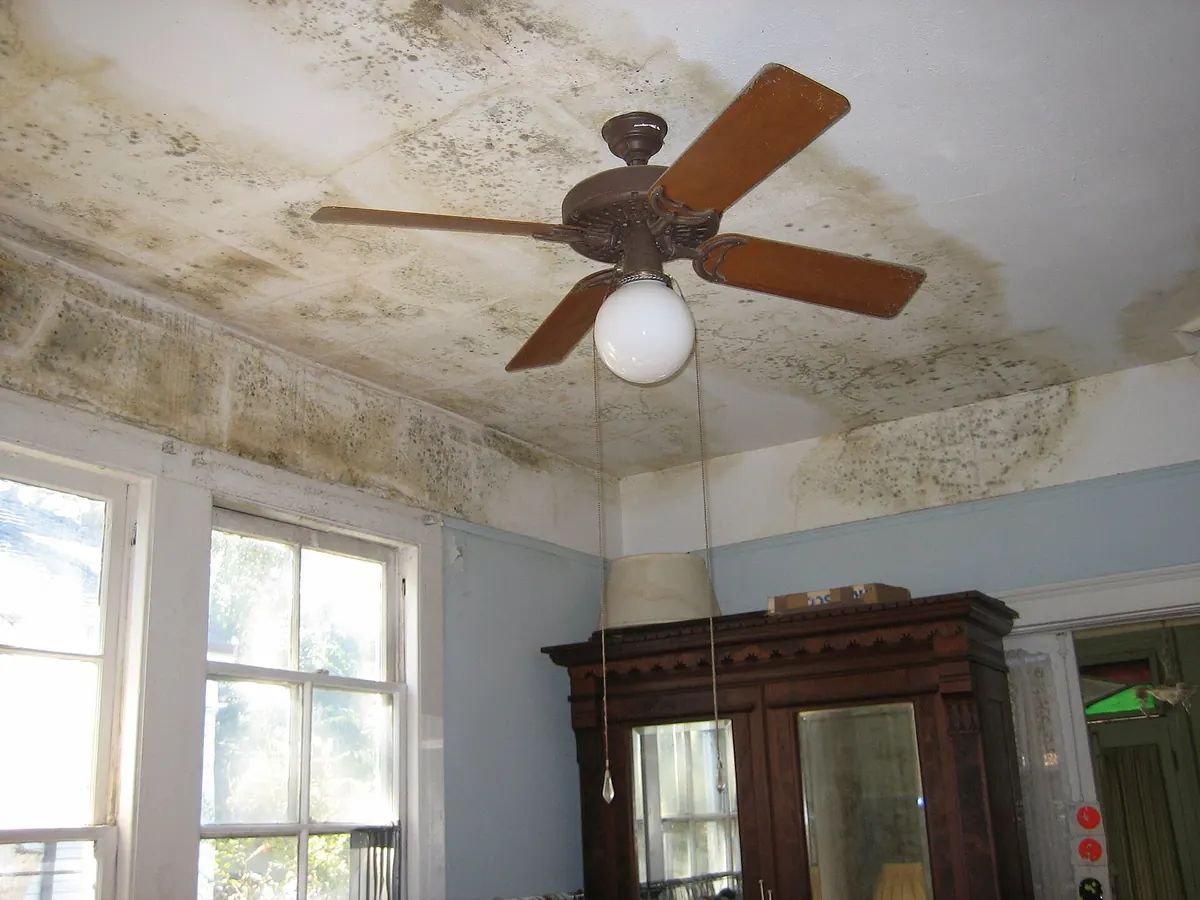
Include damage along the route water took in your cleanup scope, even past the stain you can see on the ceiling.
Your ceiling stain may not line up with the opening in the roof. Water can follow rafters on its way down.
You need to clarify responsibility for coordinating two distinct tasks: indoor remediation and roof repairs. Do so before ceiling reconstruction.
- Water stains or bubbling paint
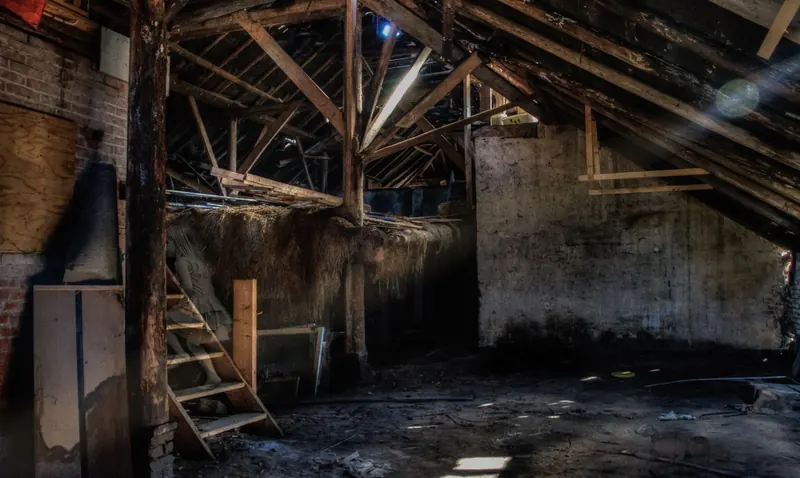
- Growth on attic sheathing
- Damp insulation
- Odor after rain
How to Compare Mold Cleanup Proposals in Little Tokyo, CA
Repair Handoffs
Name the contact responsible for coordinating roofing, remediation and rebuilding.
Ceiling Access Route
Clarify whether entry is through the attic or room and which belongings need moving.
Equipment Arrangements
Ask how equipment is monitored, about electricity and about access between work visits.
Mold Scope Changes
Clarify how uncovering additional damage changes what was agreed and requires approval from you.
How to Read Leak and Mold Patterns in Los Angeles County
Help focus your assessment by explaining each sign's location and timing.
A Stain That Looks Different After Rainfall
Record the room and corresponding roof slope, but stay off the roof.
Attic Mold Near a Penetration
Ask about chimney or vent flashing located over the affected area.
Mold Across Several Roof Bays
Find out whether further investigation should cover condensation, an exhaust fan or ventilation.
Mold on a Bathroom Ceiling
Humidity can coincide with a leaking roof. Say whether showers or rainfall come before changes.
Ceiling Leak Mold in California: Your Initial Steps
Arrange an assessment without approaching the damaged area.
Call (844) 352-3560- Avoid unstable areas. Keep your household and pets away from wet roofs, water-exposed electrical fixtures and sagging drywall.
- Leave mold undisturbed. Do not pull down material from ceilings or scrape growth.
- Keep affected HVAC off. Do not run equipment suspected of mold contamination; operation can spread particles.
- Arrange leak assessment. Contact a roofing contractor about active water entry.
- Report fresh water damage promptly. To prevent mold growth, EPA recommends that you dry water-damaged items and areas within 24 to 48 hours.
Understanding Roof Leak Mold Remediation Cost in Little Tokyo, CA
Keep roof repairs, attic mold cleanup and interior reconstruction as distinct budget items. The ranges published below address different work.
Attic mold caused by leaking roofs (Angi, 2025)
$1,000 to $4,000 per jobSource: PushLeads, Attic Mold Removal Cost (cites BUK Restoration and Angi) (checked 2026-10-23)Roof leak repair, fixes the cause not the mold
$400 to $2,500 per repairSource: Fixr, Mold Remediation Cost (checked 2026-10-23)Ceiling rebuilding and finishes
Assessed separatelyNo separate range for this scope is cited hereUnderstanding Changes to Roof Leak Mold Cost in Little Tokyo
- Attic access and debris route
- Containment and drying needs
- Independent assessment when specified
- Affected area and material condition
- Roof repair and interior rebuilding
Published Costs for Attics and Roofs
No site visit was used for these ranges, which are drawn from published national cost guides. Before work begins, you should get an explanation of the property price determined through an on-site assessment.
Ask about cost: (844) 352-3560Your Insurance and Roof Leak Mold in California
Ask your insurer how the cause of the leak affects your claim before assuming cleanup is covered.
Mold Coverage Limits
Ask about exclusions, sublimits, deductibles and separate roof and interior damage decisions.
Rental Property Notices
Under California's housing law, visible mold found by a health officer or code enforcement officer can make a rental substandard. Renters can contact their local health or code enforcement department to ask for an inspection.
Property Disclosure Records
California's Toxic Mold Protection Act includes a landlord written-disclosure section (Health and Safety Code 26147). By its own wording it applies only after the state adopts mold exposure standards, and the state health department has said it could not set them.
Storm Damage and Maintenance History
For roof damage, ask your homeowners insurance adjuster which claim documentation you need.
Roof Leak Mold Remediation Steps in Little Tokyo
Your written work plan should specify these stages. Ask for clear criteria to determine completion.
Moisture Mapping and Mold Assessment
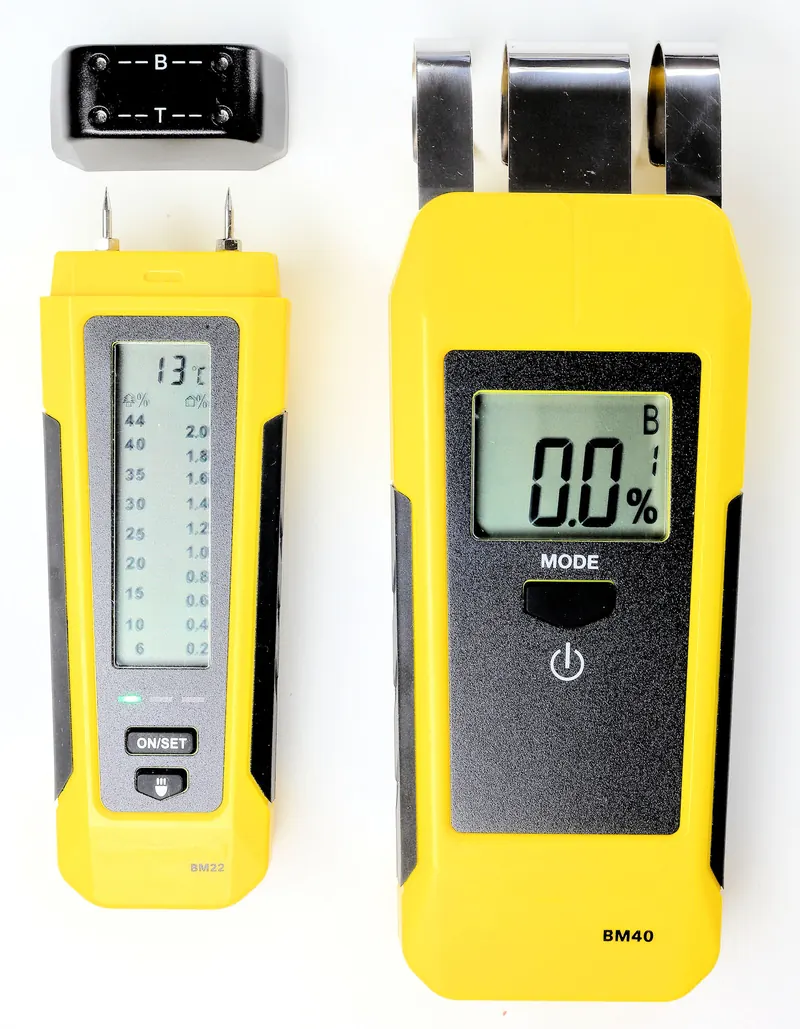
Inspect affected materials in the attic and room below. A thermal imaging camera cannot tell you where mold is; moisture readings direct the checks.
Set Mold Containment
Specify poly sheeting or another containment barrier alongside an air filtration device for the disturbance you plan. Using a HEPA air scrubber can help maintain negative air pressure.
Planning for Controlled Debris and Drywall Removal
Remove wet insulation and affected ceiling drywall with controlled debris removal and protective equipment.
Clean Retained Surfaces
Damp wiping and HEPA vacuuming may be among the assessed methods. Antimicrobial treatment is no cleaning substitute.
Complete Structural Drying
Dehumidification alongside air movers helps the drying process. Before rebuilding, document your moisture readings.
Post-Remediation Verification
Containment removal must follow completed visual inspections and moisture checks. When clearance testing is required, choose an assessor who is independent.
Records to Save Through Leak Repair and Rebuilding
Maintain one file with dates so every trade can understand events.
- Dates of rainfall and discovery alongside photos taken from an accessible location showing changing stains.
- Findings from the roofer, an invoice for repairs and a description of the opening corrected.
- The cleanup scope you approved, any changes and photographs of cavities exposed.
- Final moisture readings together with reconstruction receipts and any independently prepared report.

Discuss Mold After a Roof Leak in Little Tokyo
Call any hour. Your call reaches a mold after a roof leak specialist who hears your concerns and explains the process ahead.
Risks From Roof Leak Mold in Greater Los Angeles
A small patch in view can still mean a complicated cleanup scope if hidden moisture is present.
Hidden Mold Extent
Staining does not reveal how much of the cavity is affected. Ask for evidence justifying an opening.
Damaged Roof Support
Cleaning does not restore weakened decking or framing. Ask whether structural evaluation is needed.
Mold Beneath New Finishes
You may hide an unresolved problem by covering damp material. Remediation requires more than paint alone.
Can you clean it yourself? EPA says areas under about 10 square feet can often be cleaned by the homeowner. Professional help is called for with larger areas, mold from sewage or contaminated water, or HVAC systems.
What Gets Removed in Los Angeles County Mold Cleanup
Decide what stays by its condition and whether you can clean it. Porous material takes in moisture.

Porous Wood That May Stay
- Sound roof sheathing and rafters may allow cleaning followed by drying
- A hard-feeling surface does not make wood nonporous
Material That May Need Removal
- Moldy drywall, insulation and ceiling tiles
- Deteriorating decking calls for a roof repair decision
Non-Porous Surfaces
- Glass and metal can sometimes be cleaned
- Assess adjacent porous layers separately
How Long Mold Cleanup Takes in Los Angeles County
Plan time for both cleanup and handoffs. Treat your first proposed finish date as tentative.
- Roof access and weather: Ask when water entry can be controlled and whether weather will delay roof work.
- Concealed damage: Opening the assessed area may show that more work on insulation or decking needs your approval.
- Drying and reconstruction: Material readings and any agreed verification determine when the rebuilding trade can begin.
Musty Odor After Rain in Greater Los Angeles
Tell your assessor whether the odor returns only during rain or persists in dry weather. That timing helps frame further checks.
EPA recommends indoor humidity below 60 percent, ideally 30 to 50 percent. Humidity control does not repair a roof opening.
Scope and Repair Planning
Use the full mold after a roof leak guide to prepare questions about the assessment, scope and next steps for your property.
Read the mold after a roof leak guidePlanning Mold After a Roof Leak in Little Tokyo
Housing numbers tell you about the locality, rather than the state of your property. Let the assessment findings guide your arrangements for moisture repairs, access and records.
Census ACS 2024 5-year (tables B01003, B25003, B25035, B09021 and B25024). Area estimates do not establish conditions at an individual property.
A mold concern in Little Tokyo needs property-level evidence, including dampness, visible damage, and the confirmed water source, rather than assumptions about the whole neighborhood.
Dry water-damaged areas and items within 24 to 48 hours to prevent mold growth, and remove porous material when it cannot be fully cleaned and dried.
Local Mold After a Roof Leak Information for Little Tokyo
Ask on the phone about mold cleanup for nearby ZIP codes and communities.
What People Ask About Mold After a Roof Leak in Little Tokyo
Can you stay home while your ceiling is opened?
Confirm which rooms and routes you cannot use, whether occupied rooms can stay separate from the work zone, and the arrangements for managing shared ventilation. Discuss what your household needs before work begins. Your layout and planned disturbance affect occupancy decisions; a visible patch being small is not enough to decide.
What if access to your roof in Los Angeles County is controlled by your landlord?
Report the discovery date, affected room and any changes following rainfall to the property manager or landlord. Request acknowledgment, an inspection plan and access arrangements. In a shared building, ask who authorizes attic and roof entry. Keep correspondence so responsibility for the next visit is clear.
Do you need mold testing before cleanup in Little Tokyo?
EPA says sampling is often unnecessary when growth is visible. Ask which decision testing would affect: checking an unidentified substance, looking into a hidden concern or fulfilling a verification plan already agreed upon. Conditions and scope come from inspection; laboratory sampling neither removes growth nor finds all wet materials.
What should you ask your insurer before material is discarded?
Ask how to document urgent work to limit damage and whether, before disposal, the adjuster needs measurements, photographs or an inspection. Request claim instructions and keep receipts for authorized work. Do not delay an urgent hazard response just to preserve damaged material; explain the circumstances and record the actions taken.
Are roof and ceiling replacement part of mold cleanup?
Check rather than assume that one agreement includes all trades. Clarify separate responsibility for flashing, shingles, roof decking, paint, drywall and insulation. Identify the person ordering replacement materials and accepting the space for rebuilding. The agreed cleanup can finish before you can use your room normally.
Can a dry ceiling stain be painted without opening it?
A stain that looks dry cannot by itself confirm active mold or a cavity free of mold. Find out whether the ceiling can stay intact based on moisture readings, leak history and accessible attic observations. Any proposed opening should have a stated purpose and boundary. Verify findings before you authorize a cosmetic repair to the stain.
Questions About Mold After a Roof Leak in Los Angeles County?
Calls about mold after a roof leak are answered 24 hours a day, so you can receive clear and practical guidance.